
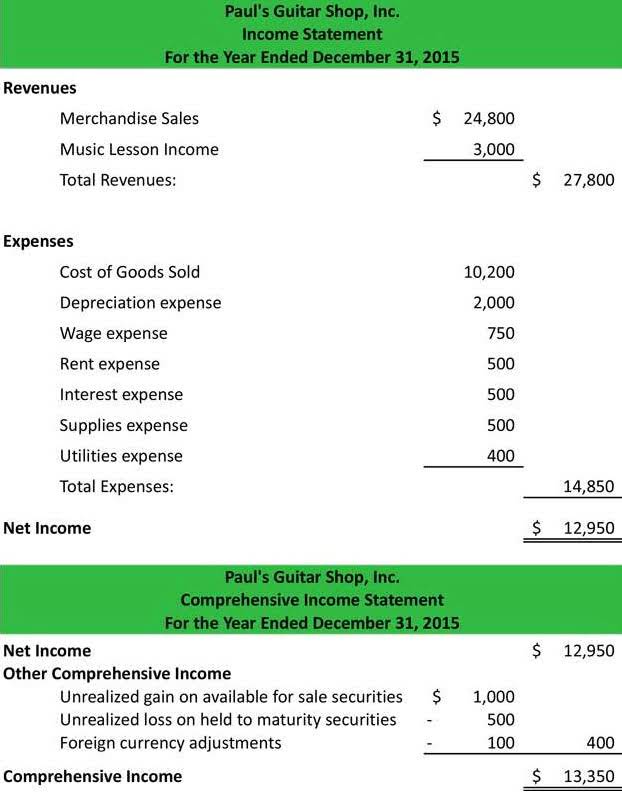
This article looks at meaning of and main differences between the two such cost bifurcations – product cost and period cost. On the other hand, period costs will always appear on the income statement. They don’t naturally appear on the balance sheet as they are expense accounts. To start, only businesses that produce or acquire and eventually sell goods incur product costs. For a business that does retail or wholesale, its product costs will include the cost of the supplies it purchased.

Product costs contribute to the valuation of Ending inventory on the balance sheet
These unsold units would continue to be treated as asset until they are sold in a following year and their cost transferred from inventory account to cost of goods sold account. Inventoriable costs are the costs incurred in the manufacturing or acquisition of a product. These costs are initially recorded in the balance sheet as current assets and do not appear in the income statement until the first unit is sold. Once the products are sold, they are charged to the expense account, and this allows businesses to match the revenue from a product with its cost of goods sold. Examples of product costs are direct materials, direct labor, and factory overheads. Examples of period costs include administrative expenses like office supplies, utilities, depreciation, and rent.
The Impact of Period Costs on Profit and Loss within the Accounting Period They Are Incurred
- Product costs are usually variable as they depend on the production process of the business.
- This depends on whether the labor is directly related to production or not – a factory worker’s wages would be product costs, while a company secretary’s wages would be period costs.
- In the current economic context of the main talent sources, currency exchange rates against the dollar only reinforce this trend.
- In essence, understanding where these costs sit on both the income statement and the balance sheet helps paint a clear picture of your company’s financial performance and health.
- Terms like administrative indicate that the cost is an administrative cost.
- This distinction emphasizes the importance of understanding the flow of costs within a company.
Period costs describe a business’s additional costs incurred during a specific reporting period. While they still form part of the overall cost of running a business, they aren’t directly related to manufacturing a specific good or service. The classification of costs affects financial Online Bookkeeping statements by determining where and how costs are reported. Product costs affect the balance sheet and the income statement when goods are sold, as they are included in inventory valuation and then transferred to the cost of goods sold. Period costs are immediately expensed on the income statement, affecting net income. Let’s examine a manufacturing organization’s accounting treatment of costs by analyzing the provided records and profit statements.

Operating Costs: Definition, Formula, Types, and Examples
Production Accounting gives an insight CARES Act into the cost of goods manufactured for your products, so that you can control the manufacturing costs during the production process. The higher the volume of production, the higher the product costs will be. On the other hand, a business will always incur period costs whether or not it produces and sells goods. We’ll also be having exercises to deepen our understanding of period cost and product cost.
- The valuation ensures that the inventory is balanced on the balance sheet.
- Period costs are not assigned to one particular product or the cost of inventory like product costs.
- For example, if you are manufacturing tables, your raw materials will be wood.
- Classifying costs correctly ensures accurate calculation of gross profit and operating income, aiding in better financial decision-making.
- Product costs are any costs incurred in the manufacture of a product.
- Instead, they are responsible for selling your product once it’s ready for the market.
Product Costs vs Period Costs: What Are the Differences?

This necessitates a thorough analysis of both direct and indirect expenses to determine the minimum price at which a product can be sold without incurring a loss. Direct materials, direct labor, and the cost of factory overhead are a few examples of product costs. Period cost examples include general and administrative expenses such as rent, office depreciation, office supplies, and utilities.

The Intersection of Product and Period Costs in Financial Statements
If the business incurs any other costs to bring its goods to market (e.g. transportation, freight, etc.), then those are product costs too. Basically, any costs that a retailer or wholesaler incurs to acquire the goods that it will sell are product costs. These costs that are directly involved in the production or acquisition of goods are what we refer to as product costs. Product costs directly impact a company’s income statement, affecting the period costs cost of goods sold (COGS), Period costs, on the other hand, impact the operating expenses section. Consider working with TranZact’s production management solution to improve cost control and get a competitive advantage. TranZact gives Indian SME Manufacturers the resources, analysis, and business intelligence reports they need to succeed in the market.