
The Role of Luck in Gambling
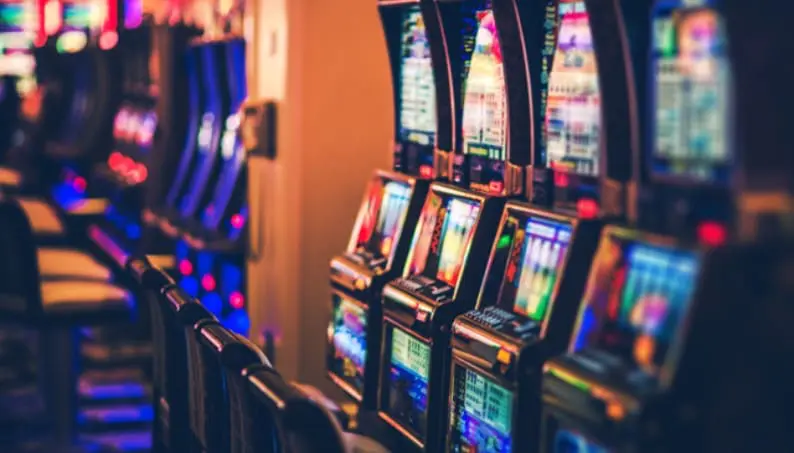
Luck is often perceived as a central element in gambling, especially in games that are largely dictated by chance, such as slot machines, roulette, and certain card games like baccarat. The outcomes in these scenarios are primarily governed by random events that players cannot influence, highlighting the unpredictable nature of these games. For instance, in slot machines, the results are determined by a random number generator, which means that every spin is independent and random. This inherent randomness is a major attraction for players, as it allows for exhilarating wins, even when they hold no control over the outcome. Additionally, many enthusiasts also explore sports betting sites that offer a different kind of thrill, where strategy and luck blend together in exciting ways. The thrill of unpredictability keeps many players returning, hoping to ride the wave of good fortune and land a big payout.
In addition, luck plays a significant role even in games that incorporate elements of skill. Take poker as a prime example: while players must use strategy and make informed decisions, the cards dealt are ultimately a matter of chance. A skilled player can increase their chances of winning through strategic betting and reading opponents, but they cannot eliminate the luck factor entirely. Many poker enthusiasts have stories of a lucky hand that turned the game around, illustrating how luck often has a profound impact on outcomes. These anecdotes contribute to the narrative surrounding luck in gambling, often glamorizing its role and making it a focal point of the gambling experience.
The psychological aspects of luck also shape how players perceive their gambling experiences. Many gamblers fall prey to the ‘gambler’s fallacy,’ where they believe that previous outcomes can somehow influence future results. For example, a player may think that after several consecutive losses on a roulette wheel, they are ‘due’ for a win. Such cognitive biases reveal how emotions can influence decision-making in gambling, complicating the relationship between skill and luck. This psychological dimension not only affects individual gameplay but also has broader implications for gambling behaviors and trends, showcasing the intricate dynamics at play.
The Significance of Skill in Gambling
While luck undeniably plays a significant role in gambling, skill is another crucial aspect that cannot be overlooked. In games like poker, blackjack, and sports betting, players can utilize their knowledge and experience to enhance their chances of winning. For example, poker requires not only a strong understanding of the odds but also the ability to read opponents’ behaviors and adjust strategies accordingly. Seasoned players develop instincts on when to bet aggressively or fold, demonstrating how skill can directly influence outcomes. This strategic thinking often separates casual players from those who consistently achieve success, highlighting the importance of skill in the gambling landscape.
Furthermore, skill-based games tend to produce more predictable results over time compared to games reliant solely on chance. Skilled players experience a level of stability in their outcomes, as their expertise allows them to make informed decisions that help mitigate risk. In blackjack, for example, players who practice card counting can effectively shift the odds in their favor, illustrating how skill can lead to profitability in the long run. This ability to leverage skillful play not only enhances the potential for winnings but also deepens the overall gambling experience, transforming it from mere chance to a strategic endeavor.

Acquiring skill in gambling often involves a comprehensive understanding of game mechanics and strategies. Players who dedicate time to mastering the nuances of their chosen games can significantly elevate their performance. This commitment to skill separates novices from seasoned players, as those with advanced skills can navigate complex situations with greater ease and confidence. Ultimately, skill enriches the gambling experience, allowing players to engage more deeply with games that were once dominated by luck, turning gambling into a more strategic pursuit that rewards knowledge and experience.
The Balance Between Luck and Skill
The interplay between luck and skill in gambling is multifaceted; it is not merely a dichotomy but rather a complex relationship where both elements coexist. Many gambling scenarios require a blend of luck and skill, which can manifest at different stages during gameplay. In poker, for instance, players rely on luck when the cards are dealt but must subsequently employ their skills to make optimal bets and decisions throughout the game. This dynamic indicates that a player’s success is often contingent upon their ability to adapt and utilize their skills effectively, especially when faced with unfavorable odds.
Moreover, the balance between luck and skill varies significantly across different gambling formats. In a casino setting, games like baccarat and slots tend to lean heavily on luck, while others, such as poker and blackjack, provide skilled players with more opportunities to exert control over their outcomes. This variance explains why players gravitate toward specific games based on their comfort with risk, strategy, and the thrill of chance. Understanding where a game falls on the luck-skill spectrum can assist players in making choices that align with their preferences and philosophical approaches to gambling.
Cultural perceptions also influence how luck and skill are regarded within the gambling community. In many societies, luck is often romanticized, viewed as a whimsical force capable of dramatically altering fortunes in an instant. Conversely, skill is frequently acknowledged and respected, particularly in professional contexts where players compete in tournaments or high-stakes environments. This ongoing tension between luck and skill adds depth to the gambling experience, transforming it into a rich tapestry of narratives, strategies, and emotions that define each player’s journey through the gambling landscape.
The Psychological Impact of Luck and Skill
The psychological ramifications of luck and skill are deeply intertwined with gambling behaviors and decisions. Many players develop personal beliefs about their abilities and how luck affects their outcomes. For instance, some gamblers may engage in superstitions, believing that certain rituals or objects can enhance their luck. This reliance on luck can lead to feelings of frustration and disillusionment, particularly when faced with a series of losses. These beliefs can create a cyclical pattern of hope and despair, showcasing the powerful influence of psychology in the gambling arena and how it shapes players’ experiences.
On the other hand, players who emphasize skill often experience a greater sense of control and agency over their gambling activities. They may find satisfaction in refining their strategies and honing their skills, leading to a more rewarding gambling experience. Understanding that their decisions can significantly affect their outcomes fosters a sense of empowerment and confidence. This psychological distinction influences players’ preferences, guiding them toward games that resonate with their skill sets and emotional needs, thereby shaping their overall gambling experiences.
Moreover, acknowledging the psychological interplay between luck and skill can greatly enhance responsible gambling practices. Players who recognize the unpredictable nature of luck may become more cautious with their bets, understanding that outcomes can be erratic and not solely dependent on skill. In contrast, those who overly depend on their skills might develop an inflated sense of confidence, which can lead to reckless decision-making. By promoting a balanced view of both luck and skill, players can foster healthier gambling habits, ensuring that their experiences remain enjoyable and within their financial means.
Your Gateway to Insightful Gambling Content
Our platform aims to serve as a comprehensive resource for understanding the intricate dynamics of gambling, emphasizing the critical roles of both luck and skill. We cater to a diverse audience, whether you are a newcomer eager to learn the basics or a seasoned player looking to refine your strategies. Our articles delve into the psychological implications, game mechanics, and cultural contexts surrounding gambling, providing a holistic view of this captivating field. By addressing the multifaceted nature of gambling, we aim to equip our readers with the knowledge they need to navigate this complex landscape.
Recognizing the complexity and nuances inherent in gambling, we strive to guide our audience through this multifaceted world. Our diverse range of topics—from strategic insights to the unpredictable nature of chance—empowers readers to make informed and enjoyable choices in their gambling endeavors. We are committed to delivering quality content that resonates with your interests and enhances your understanding of the gambling universe, fostering a community of informed players.
Join us as we explore the fascinating realm of gambling, where luck and skill intertwine to create remarkable opportunities. With our resources at your fingertips, you can navigate this exciting landscape with confidence, gaining insights into the unique blend of chance and expertise that characterizes every game. Allow us to be your trusted source for engaging and informative content tailored to elevate your gambling journey and enrich your experiences in this enthralling pursuit.