
Okay, real talk: I downloaded another wallet last week. Wow! It felt familiar at first. Then my gut said, “Hold up—this one actually gets how power users think.” My instinct isn’t perfect, but something about the UX and the small thoughtful touches made me stick around. Seriously? Yep.
At first blush, Rabby looks like one more Chrome extension in a crowded field. But dig in and you see features that matter: transaction simulation, clear multi-chain handling, and sane permission prompts. Initially I thought it was just another pretty UI. Actually, wait—let me rephrase that: the UI is clean, but what’s under the hood is where Rabby pulls ahead.
I’ve used a bunch of wallets for work and for personal stuff—some clunky, some slick, some dangerous. On one hand, many extensions promise “security” and “simplicity.” On the other, too many compromise the former for the latter. Rabby tries to thread that needle, though it’s not perfect. (Oh, and by the way… I still keep a hardware wallet for big bags.)
A quick, human primer on why it matters
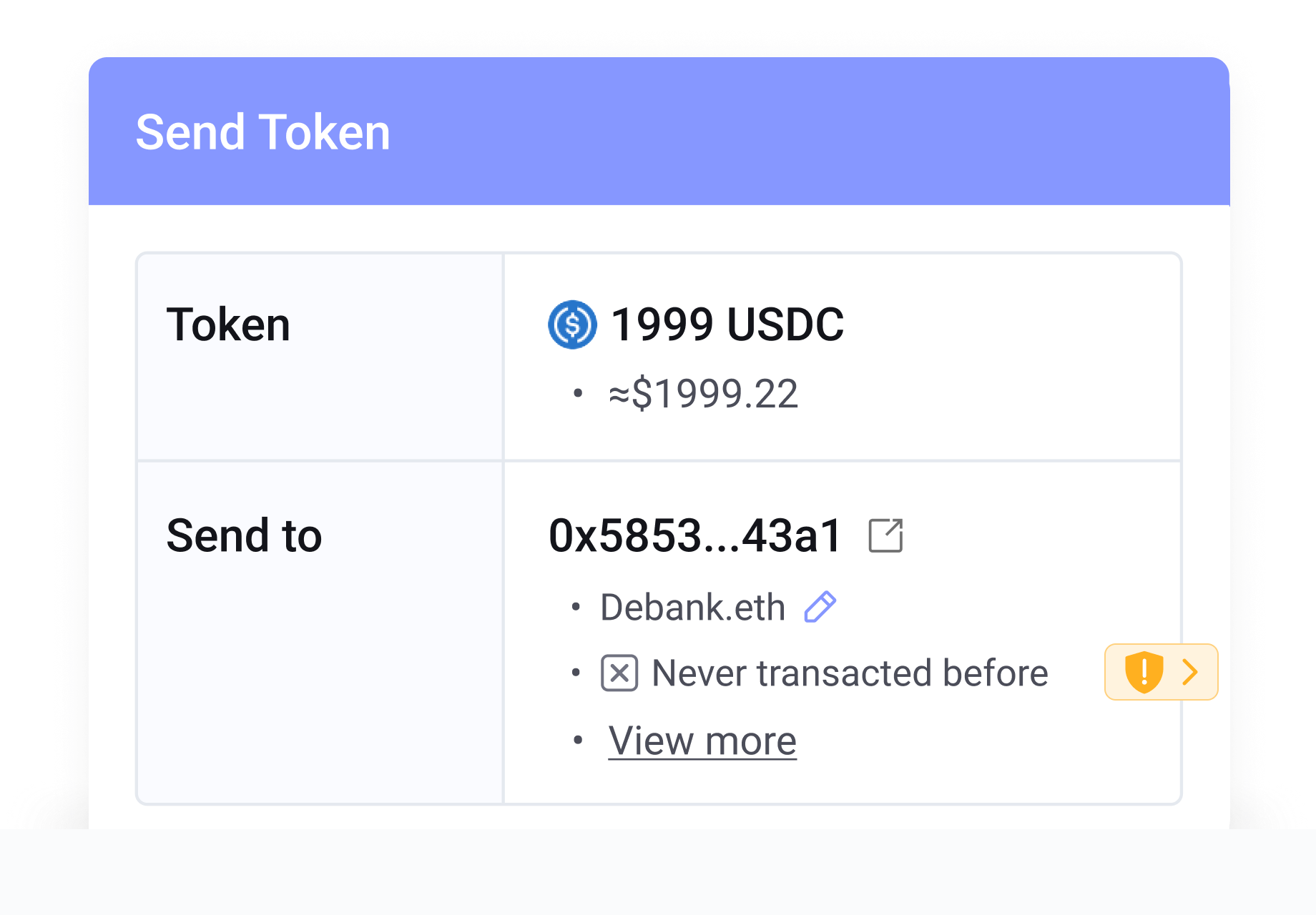
Here’s the thing. When you’re moving funds across chains or interacting with DeFi contracts, the invisible stuff matters: gas estimation, approval flows, and whether the wallet simulates the exact state changes before you hit confirm. Those are the moments where mistakes cost real money. My instinct said Rabby handles these moments with more transparency than most. Hmm… I felt that immediately when a pending approval showed me the exact tokens affected, not just a vague “Allow” button.
Okay, so check this out—if you’re the type who checks every gas bump and hates surprise reverts, Rabby’s transaction simulation is a game changer. It simulates the contract call and gives you a heads-up about likely failures before you sign. That reduces blind retries and wasted gas. I’m biased, but that alone saved me a handful of frustrating txs in the last month.
Also: multi-chain management is less messy. You don’t need a dozen extensions or kludgy network switching scripts. Rabby keeps a coherent list, and it’s obvious which network your transaction will run on. Very very important when you bounce between L2s and EVM-compatible chains.
How to get Rabby in Chrome (and why you should pay attention while installing)
Downloading browser extensions is one spot where people relax and then trip. Don’t be lazy here. Seriously, double-check sources. For convenience, there’s an easy link to the official page—grab the rabby wallet extension from the listed source. My recommendation: click the link, verify the URL, and then add it to Chrome (or Chromium-based browsers) like you would any trusted extension.
Installation is straightforward, though there’s a few choices you want to make carefully. If you’re creating a new wallet, write down your seed phrase offline. If you’re importing, triple-check you’re using a clean machine and not copying seeds through cloud clipboard tools. I know—boring but necessary. Something felt off about one of my previous setups because I skipped a quick malware scan. Lesson learned.
Once installed, Rabby prompts for permissions. Pause. Read them. On one hand, browser extensions need access to interact with web pages. On the other though, overbroad permission grants can be dangerous. Rabby’s permission model is relatively conservative compared to some alternatives, and it groups permissions so you can make informed choices—again, little things that add up.
Insider tips from someone who’s used too many wallets
Simulate before you sign. Always. Rabby’s tx preview helps. Seriously, use it. When a contract does weird token math, Rabby shows expected changes so you can catch sandbagged txs or bad slippage assumptions. Initially I thought I could eyeball it—nope. Simulation actually noticed a revert risk I would’ve missed.
Manage approvals proactively. Many apps ask for unlimited approvals. I’m not 100% sure about all risks, but dialing approvals to limited amounts or revoking tokens when idle is smart. Rabby surfaces approvals in a way that makes revocation less painful. That’s one of those productivity-improving things that become habit—like cleaning your kitchen after cooking, but for your wallet.
Use separate accounts for different risk profiles. One account for bridging and active strategies, another for long-term holds. It’s a simple compartmentalization trick that reduces catastrophic loss risk if one address gets compromised.
Where Rabby still needs work (because no tool is perfect)
I’ll be honest—this part bugs me. Rabby is strong, but not flawless. There are occasional hiccups with very niche networks or obscure dApp edge cases where simulations mispredict outcomes. On one hand, that’s rare; though actually, it’s a reminder: simulations are probabilistic. They help, but they don’t make you invincible.
Also, UX opinions vary. I prefer a more aggressively minimalist design; Rabby balances clarity with features, which sometimes leads to slightly busier screens when you open advanced options. Not a dealbreaker, but worth noting for purists.
And support—community support is decent, but heavy enterprise-level troubleshooting can be slower than you’d want. If you’re running multi-sig operations at scale, pair Rabby with institutional controls, not the other way around.
Practical checklist before you start using Rabby
– Verify the extension source via the link above and confirm the publisher before you install.
– Backup your seed phrase offline and test restore on a separate profile.
– Enable simulation and double-check important txs.
– Revoke unnecessary approvals quarterly.
– Separate accounts by risk level.
These feel like small habits, but they compound. My instinct said a while back that wallets reward discipline more than they do clever hacks—and that’s held up. If you’re complacent about basics, no fancy feature will save you.
FAQ
Is Rabby safe to use with large balances?
Short answer: cautiously. Rabby adds useful safety nets like simulation and clearer approval flows, which lower risk. But for very large holdings, combine Rabby with hardware wallets and rigorous operational security—don’t keep everything in a browser extension alone.
Can I import my existing wallet into Rabby?
Yes. Rabby supports importing via seed phrase or hardware wallets. When importing, make sure you’re on a secure device and avoid cloud clipboards. Import only on a trusted machine and consider restoring from seed in a fresh browser profile.
Does Rabby support multiple networks and L2s?
Yes. Rabby supports multiple EVM-compatible networks and many Layer-2 solutions. It lets you switch networks cleanly and shows network-specific transaction details so you’re less likely to send assets to the wrong chain by mistake.